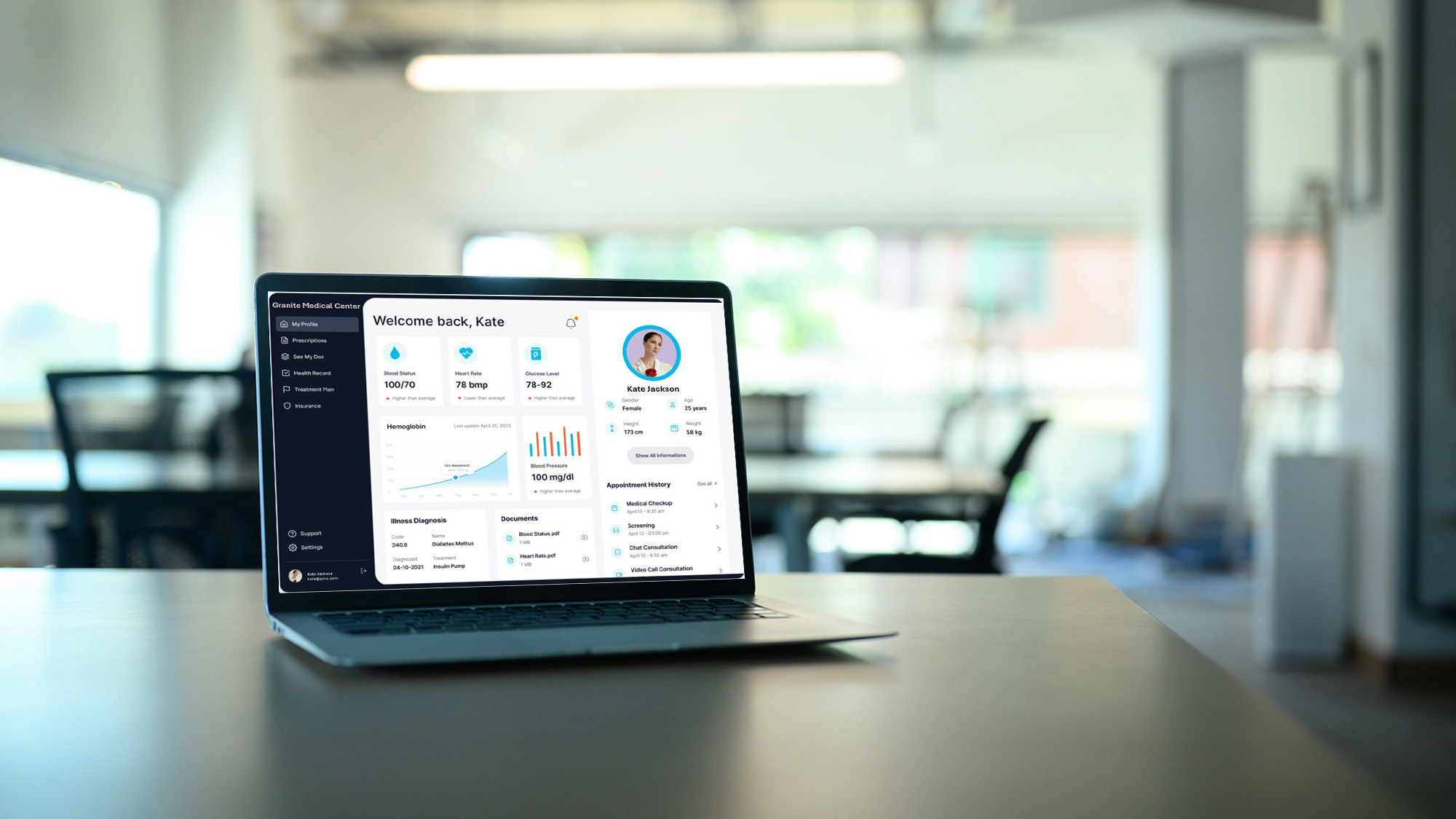
Ransomware – the most significant threat facing Healthcare Organizations (HCOs) – starts with
systems and data breaches that are often based on the stolen login credentials of valid system users.
These attacks can disrupt operations, harm patient safety, and result in substantial financial losses.
IBM reports that In 2023, the average cost of HCO data breaches reached $10.93 million, nearly double the cross-industry average.
In 2024 alone, HCO data breaches effected approximately 190 million patients.
And Infosecurity Magazine reports that user account compromise impacted 74% of HCOs running cloud-based systems, and 44% of on-premises environments.
CyberloQ Secure® is zero-trust identity verification that helps protect you against fraud resulting from compromised account credentials.


Strong Customer Authentication (SCA) utilizes a combination of challenge factors that rely on what is unique to each individual authorized to access your systems and data:
Whether it’s an IT employee remotely accessing your network, a Provider updating a patent chart, a patient accessing your Portal, or any other type of activity involving sensitive operational system and patient data, CyberloQ Secure® enforces SCA to verify the identity of your trusted associates and customers every time they initiate a digital interaction with your organization, without compromising their user experience.
Our Face or Fingerprint challenges utilize something you alone are.
We challenge the user to verify their identify by responding to their device’s biometric request. This allows us to block unauthorized access to your protected resources, even if the device is stolen.
Our Voice Verification solution utilizes something you alone are.
We send a unique Voice Passcode and challenge the user to verify their identity by speaking that code into their mobile device. Again, this blocks unauthorized access to your protected resources, even if the device is stolen.
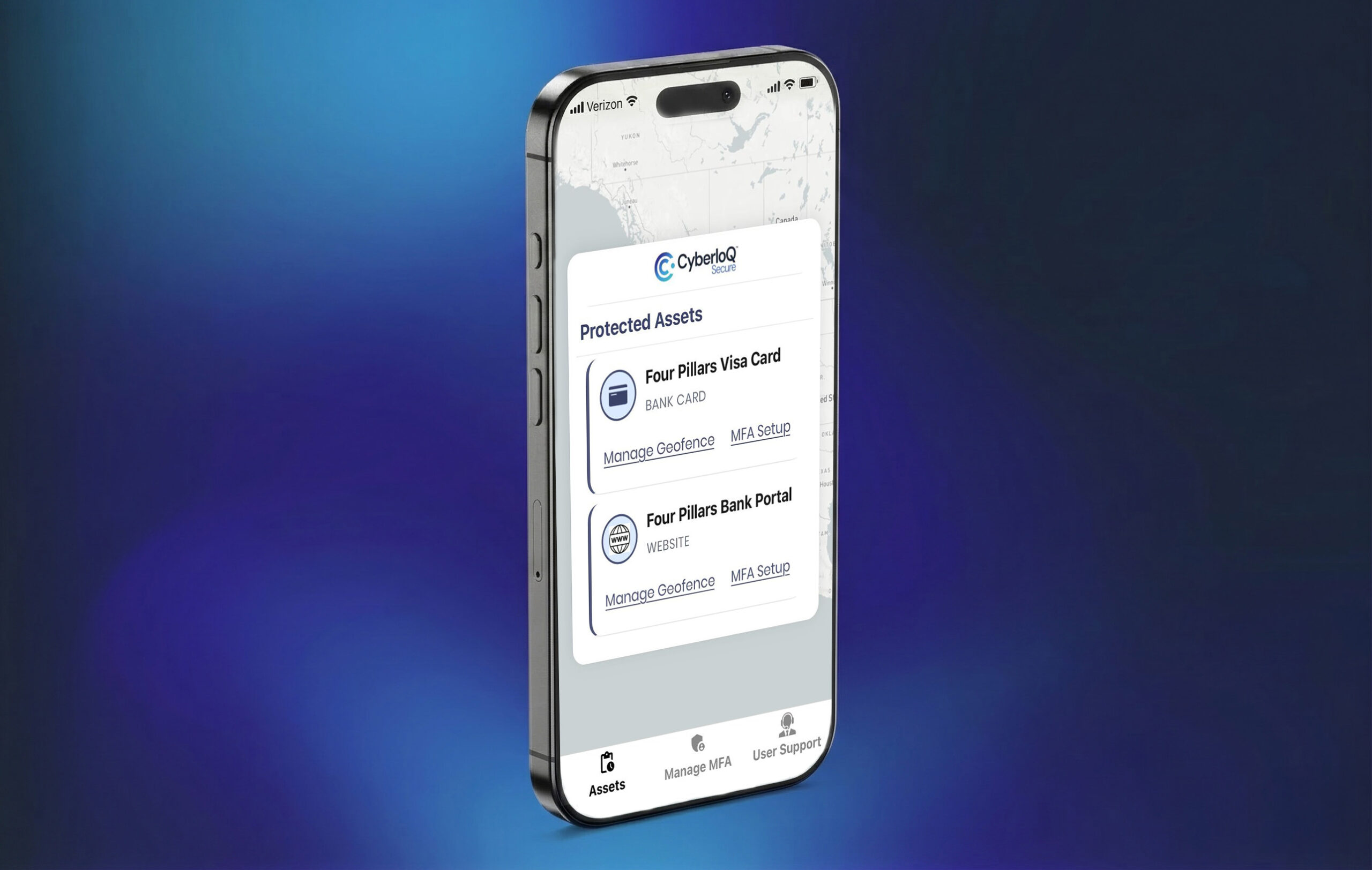
Our innovative Location Verification utilizes something you have. We determine the User’s real-time location and compares it to any geographic areas established as permissible – or not – for that user.
Access is allowed only from the User’s in possession of their registered device and within authorized locations.
Our OTP Verification utilizes something you know. We send a unique OTP and challenge the user to verify their identify by typing that code into their mobile device.
Like a face or fingerprint, OTPs are a familiar and effective method of blocking for unauthorized access to your protected resources.
Implemented through a straightforward and seamless API integration with your organization’s Identity Management System, the CyberloQ Secure® MFA sits between your users and your digital resources, continuously verifying the user’s identity with each attempt to access a protected digital resource.
Following are just a few of the operational use cases for CyberloQ Secure® that your HCO organization might elect to implement.
THREAT: A cybercriminal attempts to impersonate one of your legitimate users – e.g., a Medical Provider, an HR staff member, an IT Admin, etc. – by using stolen access credentials to log into your backend business intranet to shutdown your business operations, to steal your data, or to hijack your data – think ransomware.
RESPONSE: The criminal’s login attempt triggers the push of a CyberloQ Secure® MFA challenge to the legitimate User’s registered device. Aware that they did not initiate the login attempt, the legitimate User simply intentionally fails the MFA challenge, thereby denying access to the criminal.
OUTCOME: The benefits from utilizing the CyberloQ Secure® MFA in this manner are threefold: The legitimate User is immediately made aware that their login credentials have been compromised, they have successfully blocked an unauthorized access to your HCO’s systems and data and, finally, they have directly prevented the cybercriminal’s intended financial and reputational damage to your business.
Note that the same Threat-Response-Outcome scenarios apply to specific other sensitive systems, workflows, and data when you implement the CyberloQ Secure® MFA deeper within your organization’s backend systems. For example: